BiB: Gavin Turek – “I Was Ready to Quit—Now I’m All In”: The Making of Her Boldest Album


 YouTube YouTube
 Apple Podcasts Apple Podcasts
 Spotify Spotify
 Castro Castro
 RSS Feed RSS Feed
 Pandora Pandora
 Amazon Music Amazon Music
 Audible Audible
 iHeartRadio iHeartRadio
 Soundcloud Soundcloud
 PocketCasts PocketCasts
 TuneIn TuneIn
 RadioPublic RadioPublic
 Deezer Deezer
 Spreaker Spreaker
 Castbox Castbox
 JioSaavn JioSaavn
 Gaana Gaana
 Podyssey Podyssey
 PlayerFM PlayerFM
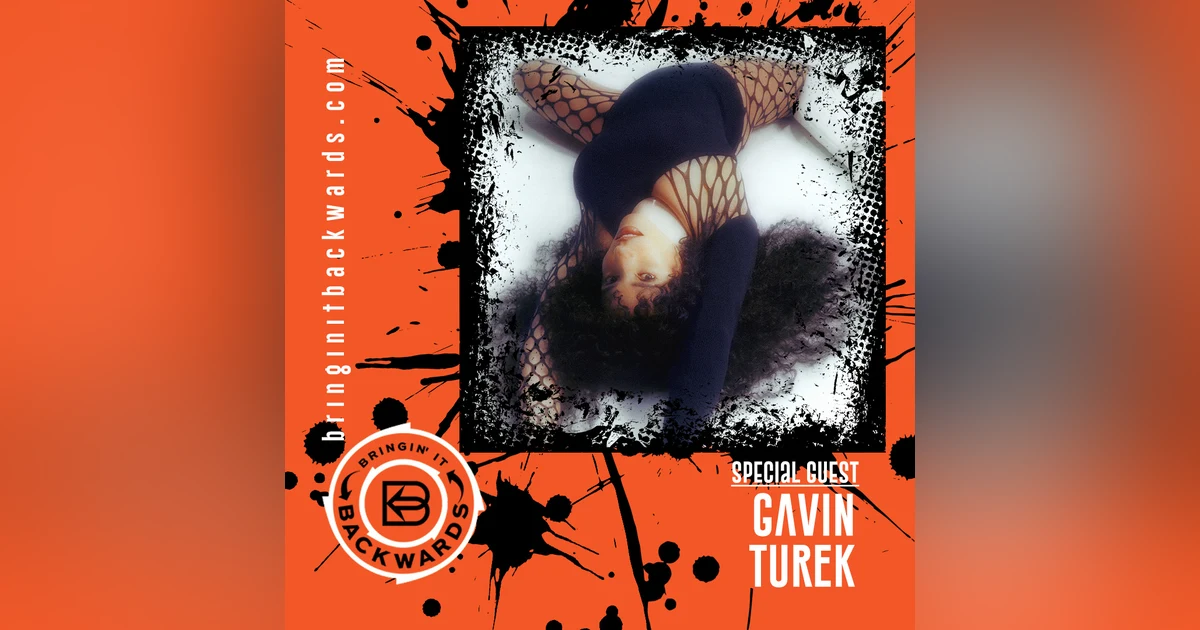
What happens when an artist steps away from their craft, finds themselves again, and returns with a renewed sense of joy and creative purpose? On this episode of Bringin’ It Backwards, host Adam Lisicky reconnects with the incomparable Gavin Turek, just weeks after the release of her brand-new album, Diva of the People.
It’s been three years since Gavin first joined the show to talk about her debut album, Madam Gold—a time shaped by struggle, transformation, and the challenges of releasing music during the pandemic. In this candid conversation, Gavin shares how that era left her exhausted and questioning her path, leading her to take a much-needed break, travel abroad, and rediscover her passion for music on her own terms.
We dig into her journey growing up in LA surrounded by art, the all-in hustle of commuting to an arts high school, and how early MySpace connections shaped her career. Gavin opens up about fully trusting her vision, the power of working with new collaborators, and why Diva of the People marks both a return to her dance-focused roots and a reclaiming of the joy that first drew her to music.
If you’ve ever wondered how to keep your creative fire burning—especially through burnout, setbacks, and the pressure to conform—this episode is for you. Don’t miss Gavin’s inspiring advice for aspiring artists, her behind-the-scenes look at the indie album process, and her honest reflections on what it takes to sound exactly the way you hear yourself in your mind.
Listen now, subscribe, and be sure to follow us at @BringinBackPOD for more stories that bring you closer to the artists and music you love.
We'd love to see you join our BiB Facebook Group.
0:00 What is going on? It is Adam. Welcome back to Bringing It Backwards, a podcast where both legendary and rising artists tell their own personal stories of how they achieve stardom. On this episode, we had a chance to catch up with Gavin Turek over Zoom Video. It was over three years ago since we had Gavin Turek on the podcast. Last time she was on, we chatted about Madame Gold. The album hadn't even came out yet at the time we chatted. So it was really cool to kind of pick up where we left off with Madame Gold and hear what Gavin's been up to since then. She talks a lot about this new album and kind of taking a break between Madam Gold and this new album and how that really helped her find herself again and find her love for the music.
0:48 So we hear all about the new album that Gavin just released called Diva of the People. And you can watch our interview with Gavin on our Facebook page and YouTube channel at bringing it Backwards. It'd be amazing. If you subscribe to our channel, like us on Facebook, follow us on Instagram, Twitter and TikTok at bringing back pod. And if you're listening to this on Spotify, Apple Music, Google podcasts would be incredible. If you follow us there as well and hook us up with a five. Star review, we'd appreciate your support. If you follow and subscribe to our podcast, we're. Wherever you listen to podcasts, we're Bringing. It Backwards with Gavin Turek.
1:33 Bringing it backwards. Bringing it backwards. Bringing it backwards. Bringing it backwards. Bringing it backward. Bringing it backward. Hi, Gavin. How are you? I'm good. How are you? I am great. Thank you so much for doing this. Yeah, of course. Well, it's great to see you. I had you on this like three years ago. I remember. Yeah, I remember. I was in New York. Yeah, it's crazy. It's been that long. I couldn't believe it when I was like, there's no way it's been three. Three years. But it was literally in September of 21. Yeah. Yeah, I know. It's. It's weird. Time just goes by really fast. Yeah. I think Madam Gold had maybe not came. It was about to come out. I think at the time.
2:23 Oh, really? It hadn't come out yet. I don't. Yeah, I think we were talking about it. It was about to come out. Or maybe it was. It came out when we released it. I can't remember. But yeah, that was a while ago. So long ago. Yeah, that was. It feels like so much life has happened to me. That's awesome. Because I'm excited to hear all about it. That's what I want to kind of catch up on and see what's been going on over the last few. Totally. Yeah, yeah, yeah. So we. Usually it's about you and your journey in music, but we kind of already got your story up until 21 last time we spoke. But maybe we can just recap real quick, just a little bit, and then get into this, this new album. Awesome. So you were born and raised in la.
3:11 Yeah. Which is. We were talking about how it's not many of us. I mean, I was born and raised in San Diego, but la, same thing. Not. Not a lot of people are actually from Southern California. Exactly. Yeah. We're so lucky. We're really lucky. And you grew up, you grew up kind of around the industry, right? Mom is a singer and. Yeah, mom's an actor and singer. Dad is not in the industry technically, but he's a musician, so he did. Piano player, right? Yeah, yeah, piano. And yeah, definitely grew up with the industry.
3:55 Like in my kind of everyday life and experience in a way that probably isn't typical, but actually so typical for a lot of LA kids. I think so. Yeah, definitely, like normalized to me. Sure. All the, all the dysfunction, all the craziness. Yeah, it was definitely just like everyday, everyday life for me. That's cool. Yeah, you did, you went to an art school and everything, right? I think. Yeah, yeah, yeah, I went to arts high school. Yeah, Arts high school, which is similar to what people know as like the Fame High school in New York. Oh, really? Yeah, yeah. So that's our sister high school. And so our, our whole format is modeled exactly the same. Like we have basically the same model and same format. Yeah. That's really interesting. I didn't know that. Yeah, yeah, it's really cool. Not a lot of people know that, but it's a great, It's a great school. It still exists.
5:00 It's super small and I think they're struggling probably financially just to keep it up and to keep the quality. But yeah, it was, it was so incredible and like, very, very, very special because it kind of set me on this path of learning to work hard and kind of sacrifice for your art at such a young age. Like, I was getting up at. I probably told you this. I was getting up at four in the morning every morning to go to school. Oh, no, you didn't. You didn't tell me that. Yeah, to commute two hours there, two hours back. Yeah. So it. But that was normalized again because that's what most of the kids were doing. And, and it was so ingrained in me, like this is worth it. This is worth the uncomfortability and like worth worth the time and the effort because I get to do my art. So. Yeah, that was instilled in me. Yeah. You were going as a dance major, correct? Yeah. Yeah. Okay. And how were your parents driving you to school? Two hours out and two hours back? Or is there a bus system? Like how. How do you. Yeah, it was, it was wild. So bas. I would, I would leave my house. At what time would I. So I guess I would wake up at 4:30. I would leave my house at 5:30 to drive to the train and then. Oh wow, you would take the train?
6:28 Yeah, I would catch the train at 6 and then we would get to Union station in downtown LA around like 7:15, 7:30. And then all the kids that went to Union Station would then take a bus to. To our campus. Yes. Oh my God. School would start at 8 o', clock. So. Yeah, that is wild. And then you'd have to take the bus home. I mean, take the train, take the. Whole thing, do the whole thing again home. Oh man. Were there a lot of kids that like, I mean. Oh, I guess you're in high school, that's that age, but still, I mean, 14, 15. To be able to do that trek by yourself. Were there a lot of kids around the area? Like did you meet your friends like on the train and then. Yeah, yeah. It wasn't as scary as it sounds. Like we were super young. But a lot of kids were doing it. Like most, most of the kids were being bused or trained in from all over the county. So that's why it's such a special school because. Because it was art focus. You had to audition to get in. And then it wasn't based on anything but your talent. So a lot of kids that were from, for example, like Beverly Hills, like so rich kids and then kids from, you know, Compton, like everybody was. It was such a melting pot. I was all the way from, you know, Santa Clarita, but it was such a melting pot and it didn't really matter where you came from, where your background, what your background was, if you were wealthy, if you were not, you know, like we were all in there
8:01 together. And even when it came to like popularity and stuff, it was, it was based on talent. Like if you were talented, you like the most would be the most popular. Most popular person. Yeah, it was all based on, on talent. Yeah, it was really, really interesting school it was so. It was amazing. Yeah. And especially with the fact that you mentioned, like, Beverly Hills, like, you couldn't buy your way in. It wasn't like. No. Oh, yeah. Like, oh, well, my mom is, you know, the executive producer at Paramount or whatever, so we're gonna buy our way in. But if you didn't have the talent, it was. Sure there was. I'm sure there was that going on. Like, that's. I don't know. That's probably.
8:46 Well, maybe if you aren't good, you weren't gonna be popular. Right, right. It was like. No. Yeah. Among, like, in terms of, like, social, cultural, like, amongst the. The kids. Yeah, yeah. It was all about talent. All. That's crazy. Yeah. So did you end up going to college for dance and stuff, too, or. No, no, technically, I did not. I went to college for. I was a hu. I was under the humanities department, but I created my own major, so I incorporated dance and the arts. But it was. Yeah, I was kind of doing a mixture of religious studies, art history, and then performing arts. Oh, okay. Yeah. Yeah. I just didn't know because it sounds like. I mean, that was a big part of your. Yeah. Obviously your life. You know, I. I danced all throughout college, but I. I wasn't majoring in it. Yeah. So, okay. With your songwriting, though, that didn't come. I mean, you. You.
9:43 You told me in the first interview that you wrote your first song at, like, 6 years old. I mean, so it was always kind of a part of you and melodies and. Yeah, but it wasn't until you were in college that you really kind of started to focus on songwriting, correct? Yeah, yeah. I. I always wrote. I always thought that was, like, the most organic, natural thing you can do. Just. I didn't even think about. I always. I always wrote songs. But, yeah, when I got into college, and I don't even know what it was, but it was. I guess I just had more time alone to just mess around on a computer, because I actually had a computer. And. Yeah, I guess producing is what made it a little bit more real for me. And. And I started taking a little bit more seriously, like, starting to produce, and then I was like, oh, I can make a whole song by myself. Like, this is really cool. So. Yeah. Yeah. And then you kind of made a name for yourself, like, that way through, what, MySpace, right? Yeah. Yeah.
10:54 I don't know if I want to say a name for myself. Well, I mean, you've met people that really like, started to. Yeah, yeah. That helps that. Well, tokimon said like, you had the two. Two of the biggest records on the. That first. That one EP that she put out. Like. Yeah, that's pretty. I think wild. Yeah. Two of her most popular songs. It is. Whatever, right? Yeah, yeah, yeah, yeah. It's crazy. Yeah. And that was all just relationships you formed via MySpace? Yeah, I mean, I met. I met her through MySpace and then I met, like, my first manager through MySpace. I connected with my first, like, producer.
11:37 That kind of helped me refine some ideas that I was already kind of creating through. Through MySpace. Yeah. Yeah. Did you. And then you ended up working. I don't know. Maybe you still work with Chris Hards. He said he made a bit. He was a big, you know, part of your. Your solo career and putting out the. What, the first EP that you did and. And obviously, yeah, the album Madam Gold was all done. We didn't meet through MySpace, but. Yes. Yes. Yeah. Ye. He came after the fact. After you kind of put out music yourself. Yeah. Okay.
12:18 So just. Just kind of picking up with Madam Gold. I mean, at the time we were in the middle of COVID You were possibly going to be playing some shows in October. I don't know if the album. I. I don't think the album was out yet. And that was kind of where we left off, where it was like, okay, this is my new. You. You discuss the album as kind of like your new Persona was like, madame Gold is my new, like. And you kind of discovered that right through 2018 into 2020 and. And then going back in the studio, recording some songs and adding the interludes and all that stuff. But, yeah, so that album comes out and then kind of tell me from there, you know, what. You know, what went on. Did you do that? Do you do those shows in October? And then kind of. I'm like, I don't even remember. Yeah. How does that end up folding into this new album? I mean, that's a hard, hard question, but I'll try to answer. Sorry. I don't know. Maybe that album coming out, like. So the album comes out. It's awesome. And then.
13:25 Yeah. Life from there to here. Yeah, it was. I think at that time, Madam Gold was like a Persona that I felt like I needed because I was. I was kind of like in this low, like, low frequency kind of darker space. And Covid definitely exacerbated that. I think a lot of people can relate to that. And Madam Gold was like this kind of fighter, you know, Persona that I kind of felt like I needed to take on. And I guess I didn't feel like Gavin was enough. Like, so I kind of needed this way to kind of fight through the. The time period, fight through the feelings that I was having. And, yeah, it felt, like, very necessary, I guess, to. To have that as a Persona.
14:27 And, yeah, when we released that album, it just. It was really different than this release process, like, in every way, I guess, because again, like, it felt like I had to, like, put on these boxing gloves and just every step was, like a punch, and every step was, like, slugging through the mud and trying to move forward and trying to get this out and. And then with just the state of the world, like, it just felt like I had to kind of carry, like, a lot of weight on my shoulders in order to move forward. And I think that came off, like, in all the aesthetics, like, in the visuals in any interview that I did. Yeah, it was just like this. I have to move forward by any means necessary kind of attitude. And. And yes, we did the shows. Those were the challenge. Like, again, it was just, like, kind of moving through and carrying this weight and this burden in order to, like, move forward and move through it.
15:38 And then once that was kind of done, it was out in the world, and I kind of, like, was able to breathe and, like, take a step back and reflect on it. I realized that as a artist and as a vocalist and even as a songwriter, I was exhausted and kind of uninspired, and I wasn't really sure where to go next. Like, I was tired. Yeah, I think I was tired and. Because the process of making Madam Gold wasn't easy, and the process of releasing Madam Gold wasn't easy, I was kind of like, f music, you know, Like f. I bet. Yeah. I mean, like, you finished the album, right? I think we were talking last time, like, all the songs were kind of done in 2018. Right. And then it was like. I mean. Or you had a. Definitely not 2018. Like. No, the songs were kind of. I want to say the songs were kind of done maybe end of 2019. I was 2019, wanting to.
16:47 Yeah. To, like, move forward with it. Then maybe you had the structure of it or something. You had a something of it done maybe by 2018. Or it was the fact that we had started it. Okay. Yeah. And so it was like, just a very long process. So it's basically a three year process. Because then you have Covid and it's like, you can't you finish it? And it's like, now what? We. Yeah. Put it out and just let it sit here or. Yeah, yeah, totally. So it was. It was like this long, like, long haul kind of process. And then, yeah, once it was released, I was just like, man, this is. This was a lot. And now I need to reevaluate and acknowledge that I'm not in the best space mentally in terms of, like, my confidence as an artist and as a songwriter.
17:35 And that. That meant for me just like, taking a break. Okay. Focusing on something else for a while. I traveled a lot. I was able to travel a lot in 2022, which kind of helped recalibrate my mind and where it was at and. And just again, like, reevaluate. And then long story short, at the end of 2022, I had. I had been in Italy for a month, and I'm not like wealthy or anything, so it wasn't like some. It was an amazing trip, but it wasn't like I was, you know, on. This vacation, my ties and hanging out. On the beach all day. No, no. It wasn't like I was, you know, in. Where. Where do the rich people go? No, I wasn't that, like, I don't know.
18:27 I don't even know. No. I basically had done this, like, somewhat of an exchange because I got someone to rent him, rent my apartment in la, and therefore I rented an apartment in Italy because I was able to pay my rent. All this stuff. So was there for a month and basically just living. I was by myself and I was working on another project, not music related, and just able to just stop thinking about music for a while. And when I. And it was really refreshing. And then when I got back, I was like, you know what? Let me try getting in the studio with someone totally new. Just trying to kind of reinvigorate myself and start maybe a new project. I didn't really know what to expect and I didn't really have any expectations. I was just like, it's been a long time since I've tried to create music and I should probably try, you know, like, see what it's like to just get back in the studio. So I got back in the studio when I. When I returned, and I actually had.
19:34 Covid actually got the producer that I got back in the studio with. We both got Covid, gave it to him, so. Man, sorry. Okay. And then after, like, kind of a month of, like, being out with COVID me and the producer, we got. We tried again, got back in again, and what transpired was the beginning of Diva of the People, really. Yeah. We ended up writing the majority of Diva of the People over the next two months. So like, the very end of 2022. It was October in November of 2022, and we.
20:15 We. It wasn't final vocals. It was basically we. We created, like, probably eight or 10 demos that turned into what would be. Yeah, the majority of the songs that we would finish and develop for Diva the People. So it was, like, really fun. It was. It was just fun. I wasn't overanalyzing anything. I really had this vision of returning to, like, more of a dance focus rather than more of, like a funk, R and B. Like that. That type of vibe, which is more Madam Gold. I was like, I really just want to get out of this, like, not only the funk genre, but, like, out of my funk.
21:05 Yeah. Go back to, like, stuff that makes me move, stuff that's ready for the dance floor. Like, a sound that makes me think of my inspirations that were kind of always my inspirations, like artists like Robin and Roisin Murphy and obviously like Diana Ross and Donna Summer and just kind of taking all those influences that have always been there that had kind of, like, been, you know, suppressed somewhat or pushed to the side somewhat with Madam Gold and just own those again and take those back into the studio and take the influences of house back into the studio.
21:48 Disco, obviously, soulful pop, like Michael Janet, just all of that stuff that I had always loved and just say, like, let's make fun music. Let's make simple music. Let's let me, again, focus more on the songwriting and the songs rather than the production being so intricate and so, like, complex and just kind of go back to the basics and get really simple with it. And that's what we did. And it just made the process for Diva of the People so fun. So reinvigorating.
22:31 Less. Less analytical and more going with, like, my first instincts and my natural instincts and, yeah. Getting back to, like, the love of. Of those. Those types of songs that I kind of grew up listening to that were more. More simple and, like, kind of more fitting for the masses than, like, a niche genre. Like a niche. Be like, yeah. Subsective, like, music listeners. I love that. And it sounds like, yeah, just going in and kind of having no expectation. Yeah, let's just make something and. And see where. Yeah. Yeah. And then end up rolling the ball pretty quickly into, like. Oh, wow. These are all songs that are what have, like, the same, like, through line or did you know is going to be starting to become an album or is it like, oh, we're just making a lot of cool songs. Yeah, I just. I.
23:27 I didn't think it was going to be an album. I thought, like, maybe we'll just do an EP with the. The producer, which was Spencer Ludwig. And yeah, it wasn't really anything beyond that, but once the ball started rolling and I. I felt comfortable enough to really take the lead in terms of the production and the songwriting and really steer him in the right direction. And I was. It felt so good. It was like, yeah, this feels. This feels right. And then I was able to kind of recruit other producers to fit in with the sound that we were kind of already naturally taking. And that was in 2023, that we were really able to, like, delve deep into that. And yeah, it was. It was super, super organic. And I want to say, like, by mid 2023, we had. We had the songs. Then I started recording them, doing the final vocals, final touches.
24:30 It's such a process. Mixing. Mixing, I think started at the end of 2023, went into 2020, 24, and then. Yeah, and then was out. And then it was out last week. But it is like, I think. I think when you're indy to, the process is extended depending on, like, the resources. Right. So, like, if you have kind of high expenses per song, like, that can really influence the timing of finishing the songs. Like, my. My costs are pretty expensive per song for this project because I recruited a lot of different people to complete one song. So I. Using one person and being like, we'll just do all of them. Like, yeah, well, no, like, I'm. I'm going to break it down because I know people that listen to this podcast probably are like, more on the music nerd side, like, wanting. Yeah, they want to know how to do it. They want to know where you are. Exactly. Like, want to know how to do it and want to know the real. So for me, this is not typical for everyone and everyone has their own thing. But for me, for this particular album, for each song, I had myself as a writer and producer, and then I usually had another person. So that's two people already then.
26:00 Because me and the producer were very particular about sounds and just wanting the production to be right. So, for example, for a song like, Heaven knows, live bass and live guitar were, like, not negotiable. So then we recruited a great bass player, Spencer Zahn to play bass, an amazing guitar player, Philip Menesis, to play guitar. So did that, you know, paid those people. Yeah, now you got to pay the live musicians instead of just programming it in. Exactly. Then we had a great mixer that ended up doing the drums as well. So then he was kind of a part of the mixing and programming drums for that song. So then there's four people, like, and that's not even, you know, that's. That's a lot of people already.
26:49 And everyone we, you know, compensated for for their part. And then for vocals for every single song, I had one vocal engineer. So for every single song, I was paying the vocal engineer per song to track. You had a different one or. No, a different vocal engineer on every song on the whole album. Oh, you have one that did every single song on the album? Yes, yes. Instead of it being the producer that also cuts the vocals and also engineers the vocals. I had, like, one guy that did all the vocals for every song, but then that. Okay. You know, another guy. Yeah, Per song that I had to pay for too. So, yeah, the expenses got a little bit high per song. I think it was worth it. I mean, it was worth it. I loved the result, but, yeah, it was a lot. And it was. As a result, it took a long time to finish just because I needed, like, to make sure that I could secure the resources financially.
27:53 Yeah, yeah, 100%. Yeah. To finish the song. And then, of course, like, when you get to the end of the process is mixing and mastering. And I mentioned the mixer that we had a guy named Caserta who was incredible, and then mastering was Joe Laporta. So everyone had a really vital role to play. And yeah, it was. It took a. It took a long time to finish it. Like, when you kind of take into account, like, all these different people kind of contributing and then getting paid and then going back and forth and then, you know, getting. Yeah. Get everybody. And not only, like, the paying them out. It's like getting everyone in schedule.
28:34 When can you come and do it? Right? I mean, you're. Now you're managing a bunch of different people versus, like, you and maybe one other person, like, oh, let's just hammer this whole thing out in a weekend or, you know, a month or whatever it may be. Totally. And when you're. And when you're indie, you're really, like, a lot of people are believing in you and. And doing it at very, like, reasonable rates, you know, which is awesome. And I'm so appreciative to all of them. But, yeah, it's still. It's still a lot, and it's still a lot to advantage, and it still means that the. The timeline might not go as quick as you. As you want it. So I really, I. I was like. I told my manager when the album was pretty much written I was like, we're gonna release this at the end of 2023. And he was like, okay, we'll see. Then, of course, September 2024 ended up being the. The best. Yeah, I'm sure. I mean, it's kind of. When you're independent, obviously, it's great because you don't have somebody like, down your throat, like, you need to get this out like tomorrow. And you're not. Like, you don't have that stressor. But it's also like. Yeah, but then you have to come forward and be like, well, I gotta go find every. I gotta find the money, I gotta find the people I've gotta do, you. Know, all of it. Yeah. So it's like. It's kind of. There's. There's kind of. I'm sure there's pros and cons to each, but I think if it was me as an artist, I would prefer to have your situation where it's. Well, at least I. I'm not gonna have the pressure of somebody that going like, this needs to
30:04 get out tomorrow. Like, you have more of the freedom to kind of probably take your time and release it as you want. You can put out whatever you want. Really. Yeah, yeah, yeah. It. There's pros and cons, I think, on either side of the. The spectrum when it comes to releasing music, for sure. Yeah. So. Yeah. Because it's. Yeah, it's so different. I really do like having the creative control too. Oh, yeah. Yeah. And the vision now. And. Yeah, it feels good to kind of be. Be in the driver's seat and to executive produce and produce and write and just feel like, feel comfortable in that role again. Did you just.
30:56 I'm just curious with this album where the songs just like, you just knew that they're like, was there. I don't know how to ask this question because it's like, obviously everything you're gonna put out and you're gonna do, it's a personally personal to you and you love what you're doing, obviously. But like. And what. What made you want to do the. Make the decision of like, well, let's like really go all in on this and like hire one guy to do all the vocals and. And we need live guitars and bass on this song. And like, was there. You just felt like it neat, like, I guess instead of cutting corners and costs, like, what was the decision between.
31:39 You just wanted it to be as best as it could or. Yeah. Yeah. I just wanted to sound. To sound like the vision that I had in my mind. Okay. I. That's a weird question. I mean, obviously you want it to sound the best you can, but. Yeah, you know what I mean? Like, to be like, you know what? I'm gonna. I don't care. I'm going all in yeah, no, I believe holding those stops yeah, yeah, I. Oh, I, I believe in. I guess once this. Once the demos were there and I could see the vision kind of coming to life through just the demos. Yeah, I was. I was excited and I really believed in.
32:19 Believed in it. And not every song took that amount of people, you know, sure. Those were just. Those were probably three or four of the songs out of. Out of ten. But yeah, I think even when it came to, like, mixing and revisions, like, I just, I, I'm. I can be relentless. And I think that's from my experience working with Chris Hart's. Like, when you work with people that are that talented and that have a standard that is so high and that are essentially perfectionists, but are also pretty genius at what they do, you kind of get that you pick up on.
33:06 On a similar way of doing things, like whether or not you're working with them for every song. Like, I. Chris didn't do every song for this album, but that mentality of. Of kind of extracting the best and like, doing the best that we can with. With each song and giving each song the attention and the. To detail and just doing the absolute best that we can do, like, that totally was instilled in me. So now I'm going to do that with probably every project. And. And it's not that it means that I think every song is perfect on this album because that's. That's definitely not the case. But I think every song, every song, except for one. One song, just the mixing got a little. Got a little weird for me. But every song had that care in. Right.
34:05 Well, it's like once you get to a point, I mean, you want it to be right. It's like you. You have a, you, you. You set a bar for yourself. Like, I'm not gonna put something out. That'S not so hot. Yeah, the bar is like. And that's. I. And I. And I think that a lot of artists struggle with that too. I mean, I do as far as, like, putting out content for my show. And yeah, like, if it, like, I will sit. And I had to hire an editor because I would take me so long because I'd get so, like, caught up on like, one frame. I'm like, yeah, like, I. I don't love this. I Don't love how this cut looks. You know, Then I could sit there for half a day just trying to fix some little thing, and then most people don't even notice, right. They're like, what are you talking about? And it's like, but I noticed, so it's gonna. Exactly. Yeah. Like, I know. And that's all that matters. Yeah. Yeah. Probably. Will it matter?
34:55 It will. Five more people like it or view it if it didn't have that frame. Right. Doesn't matter. Like, it's. You just have that. You just put this, like, standard on what you think personally, what you want it to look like. Absolutely. You know, I could see how there's, like, no compromising. And it's like, no, this is. This is my art. I want it to be a certain way and it's going to be that. Yeah, I want it to be great. I don't want to have the regret of, like. Man, every time I listen to the song now, all I'm going to hear is that one little thing that I. No, I should have changed that or. You know what I mean? No, yeah. There is one song. To be. To be honest, there's one song like that. And every time I listen, I should have done, but it's okay. But nobody else will ever notice. You know what I mean? I don't think. Yeah. Oh, I love my, like, Prayer changes everything Cup. This is so funny. There you go. Like, all the mugs in my house are, like, inspirational.
35:55 That's cool, though. Faith prayer. I love it. Yeah. But, yes, I totally agree with you. You. You get it. Because once you're. What, you're on that train, it's hard to get off. Right? Yeah. But I mean, it also. It shows that you work. Yeah. Yeah. And everything. Because it's like, yeah, it's one thing if absolutely no one cared. And then you're like, no, this has got to be the greatest thing ever. And you're like, well, I. Well, you have already kind of set a bar for yourself, you know. Yeah. Doing this project. So with this album verse, the last one, or even with your. The ep you did. Because you did both of those solely with Chris Hart, Craig or mainly.
36:38 Oh, no. Yeah, yeah, I did. I did Madam Gold solely with Chris, and then. Okay, I worked with a few different people on the releases before that. Okay. So, yes, you worked solely with him on Madam Mad Gold. And so going into this one, it was like, yeah, you had more people. You had more people on the. On your staff as far as, like, yeah, Money song, more producers More people and. Yeah, yeah, it was. I. I thought it was important. And I think for the next project, too, because I've already started the next thing, it's for me to be diversifying, like, who I'm working with so that I can.
37:25 Yeah, I think, like, it's an energetic thing. Maybe it's just, like, moving around the pieces and not getting too attached to one person's vision for what it should sound like. And it helps me kind of take a step back. And as a songwriter, working with different producers brings out different elements of what I can do, like, in what I can bring to the table. So. Sure. Yeah, I. I'm. I'm pretty. I'm pretty into that idea. Like, Spencer Ludwig was the primary producer for. For Diva of the People. I think he did. I think he did six songs, so he did a lot. Yeah, five or six. And then.
38:10 And then a few other producers. Seven. Davis Jr. Did one with a guy named Leaf. They did Anybody Home, which is. Turns out to be, like, a song that a lot of people are connecting with now. And then Art of Tones, who is an amazing French producer. He. He did Disco Boots and you and Me. So. Yeah, I think it was mainly those. Those three producers. That's amazing. Yeah. You have some shows coming up, right, to support it. You're playing the Casbo in San Diego, which is my favorite venue. Yeah, yeah, yeah. I think you're playing there. Wait, on Thursday or something, right? Wednesday. Wednesday, yeah, yeah, Wednesday. Louisiana. San Francisco, New York and D.C. so it's a. It's a short run, kind of just to celebrate, like, the release of the album, and then we'll probably do something more extensive, either. Well, I'm thinking probably next. Next year we'll probably do something a little bit more extensive, but, yeah, love it. Well, congratulations on the album, and thanks again for coming back and. And talking to me about this release. Yeah, thank you.
39:22 Exciting. I have one more question. I asked you the same question last time, but I'm gonna ask it again if you have any advice for aspiring artists. Oh, I love this question. I think now that I've released a slew of projects by myself or independently. Not by myself. I have a team, but independently, I would say to trust your vision over someone else's vision for you, in terms of your visuals, in terms of the sound of your music. Like, trust the vision that you have. And usually kind of the first vision that really hits your heart and, like, that really resonates with you is the one that will take you to the next level. So like, for me, I always kind of had a visual of me, like, as this modern disco queen. And every time I really committed to that, I felt myself, like, moving forward and, like, taking steps in the right direction. And then the times where I got sidetracked from that vision, I felt myself kind of get stagnant and frustrated and not sure what to do, because I wasn't trusting that. And so, yeah, trust. Trust the vision that you have for yourself.
40:50 Bring it backwards, bring it back. Bringing it backward, Bringing it backward. Bring it backward, bring it backwards.


